
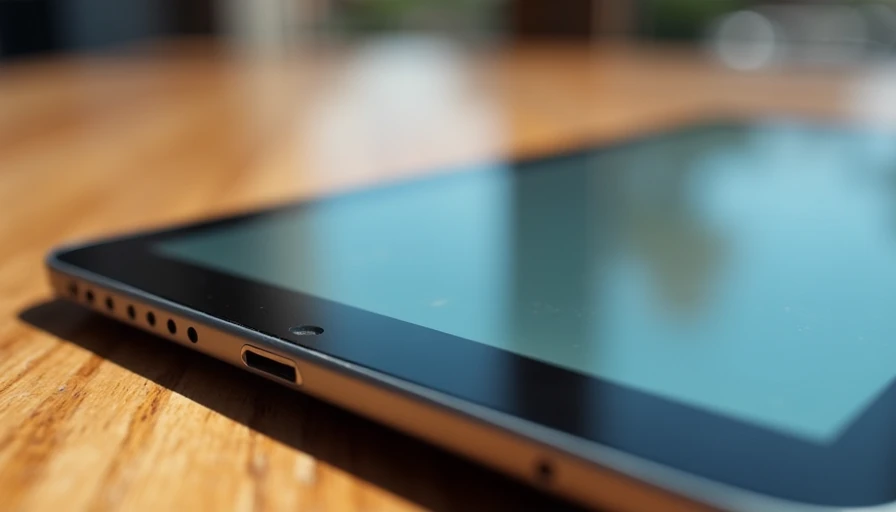
A back market ipad can be a sensible way to get Apple hardware without paying the full retail price, but the discount is only valuable when the model, condition, battery, and warranty line up. Refurbished tablets are not automatically bargains. Some are excellent second-chance devices, while others are older models priced close enough to new stock that the savings disappear. Let’s see if it’s tech or tax.
What Back Market is actually selling
Back Market is a marketplace for refurbished electronics rather than a single manufacturer refurbishing every product itself. Sellers list devices, and Back Market provides marketplace rules, payment support, a limited warranty, and a return window. That structure can create useful competition, but it also means two listings with the same iPad name may differ in battery condition, cosmetic grade, included charger, and seller quality.
The word refurbished should not be treated as a guarantee of like-new performance. A professional seller may replace a cracked screen, test the ports, clean the housing, and erase the previous owner’s data. Another unit may simply pass a functional inspection with visible marks and an aging battery. Read the individual listing, not just the large discount percentage.
A back market ipad listing usually describes cosmetic condition separately from functionality. Excellent or premium grades tend to cost more and show fewer scratches. Good and fair grades can save additional money, but they are better suited to buyers who will use a case and do not care about small dents. If the tablet is a gift or will sit on a kitchen counter, paying for cleaner cosmetics may not be the best use of the budget.
Which iPad generations make the most sense
The right model depends more on the chip and software runway than on the year printed in the product title. An iPad with an A12 Bionic chip can still handle streaming, web browsing, email, reading, and casual games. An iPad with an M1 or newer chip gives you more headroom for drawing, video editing, multitasking, and newer iPadOS features.
The basic 10.2-inch iPad models often provide the lowest entry price, but they use an older design with a Home button and, on several generations, a non-laminated display. That is not a disaster for Netflix or schoolwork, although the screen can feel less polished next to a newer iPad Air. The ninth-generation iPad can be particularly attractive when priced well because its A13 chip remains practical for ordinary use.
An iPad Air usually earns its higher price through a thinner design, better screen construction, USB-C on newer generations, and stronger processors. An iPad mini is easier to hold and carry but often costs more per inch. The Pro models add features such as ProMotion on selected generations, better speakers, and more powerful chips. Those upgrades matter to creative professionals, but they are mostly marketing tax for someone checking email from the sofa.
How much should you pay?
Worth it? Let’s run the numbers. A used or refurbished base iPad can make sense around the low-to-mid $200 range when it has enough storage, a healthy battery, and a meaningful return period. Older models should fall considerably below current retail pricing. If a three-year-old unit is only $50 to $80 cheaper than a new model during a major sale, the new tablet is usually the cleaner buy.
Storage is where sellers can make an attractive listing look better than it is. A 64GB iPad may handle browsing and streaming, but downloaded shows, large games, photos, and school files can consume that space quickly. A 256GB model costs more upfront, yet it may remain usable for several extra years. Avoid paying a premium for cellular connectivity unless you genuinely need mobile data; using a phone hotspot is often enough.
Compare the total package rather than the headline price. Add a case, screen protector, USB-C or Lightning cable, and possibly a charger. A back market ipad that saves $120 but requires $60 in accessories is still cheaper, but the real savings are $60. Apple Pencil compatibility also matters. Older iPads may support only the first-generation Pencil, which uses an awkward charging arrangement and adds roughly $80 to $100 to the setup.

Battery health, condition, and seller details
Battery condition is the quiet variable in refurbished tablet shopping. Apple does not expose an iPhone-style battery health percentage on every iPad in Settings, so a listing may promise a minimum capacity rather than show a precise number. Ask what the seller guarantees. A battery that lasts several hours for video playback can be fine for light use, but it will feel frustrating if you expect all-day note-taking or gaming.
Inspect the photos and description for screen discoloration, pressure marks, deep scratches, bent corners, and camera damage. The display should respond across its full surface. Check that Touch ID or Face ID works when the model supports it, the speakers are clear, Wi-Fi connects reliably, and the charging port does not require cable movement. These are basic tests, but they separate a ready-to-use tablet from a cheap repair project.
A back market ipad should arrive without an Activation Lock. If it asks for the previous owner’s Apple ID, do not try to work around it; contact the seller and begin a return. Confirm that the serial number and model match the listing, then install the latest supported iPadOS. Give yourself time to test it inside the stated return window rather than placing it immediately in a drawer.
When a new iPad is the better deal
New iPads become especially competitive during back-to-school promotions, Black Friday, and retailer clearance events. Best Buy, Walmart, Amazon, and Apple often discount current or previous-generation models, sometimes adding gift cards or student-focused bundles. A refurbished deal does not have to beat the lowest possible sale price; it needs to beat the realistic price you can buy today with a full manufacturer warranty.
New also makes more sense when you plan to keep the tablet for five years, need dependable battery life, or are buying for a child who may be rough with it. AppleCare eligibility, return simplicity, and predictable accessories can justify spending another $100. On the other hand, a refurbished iPad is compelling for a guest room, recipe display, travel tablet, or elderly relative who needs video calls and web access.
A practical buying checklist
Before ordering a back market ipad, identify the exact generation, storage capacity, Wi-Fi or cellular version, and supported Apple Pencil. Check the processor, not just the screen size. Read the cosmetic grade and battery language carefully. Look at the seller rating and recent reviews for complaints about charging, locked devices, inaccurate condition, or slow returns.
When it arrives, photograph the package and inspect the tablet before removing protective films. Test charging, Wi-Fi, cameras, microphones, speakers, buttons, biometrics, and the touchscreen. Sign into your own Apple account only after confirming the device is free of Activation Lock. Download a large app, play video, and use it away from the charger for an afternoon. Those simple checks reveal most problems quickly.
My buying rule is straightforward: choose refurbished when the discount is substantial, the model still has useful software life, and the return policy gives you room to test it. Skip a back market ipad when the seller is vague about battery condition, the storage is too tight, or a current new model is within striking distance. At this price, the compromise is the story. Get the compromise you can live with, not the discount that merely looks impressive.