
iPhone 14 Pro Battery Life: What to Expect in Daily Use
iphone 14 pro battery life explained: see how long it lasts, what drains it, how battery health changes the deal, and whether a used model is worth buying...

iphone 14 pro battery life explained: see how long it lasts, what drains it, how battery health changes the deal, and whether a used model is worth buying...

how long does an iphone battery last? Learn daily-use estimates, battery health signs, charging habits, replacement costs, and upgrade timing.

HD vs UHD explained for everyday TV buyers: learn the real resolution difference, viewing-distance tradeoffs, pricing traps, and when UHD is worth it.

Multipoint bluetooth earbuds explained: compare device switching, battery life, call quality, comfort, and value across practical picks before you buy with...

Earbuds with long battery life help busy U.S. listeners avoid daily charging. Compare real runtime, case capacity, comfort, and pricing before you buy for...

Russell Merrick, a former consumer goods channel marketing manager from St. Louis, breaks down how he evaluates phone performance claims in real life. Drawing on two years of battery tracking across his family of four, he argues that benchmark scores rarely translate to daily usefulness, and offers a practical three-question purchase filter focused on actual problems, real device shortcomings, and total cost of ownership.

Specs measure capacity; behavior measures your week. This real world battery life phone guide shows why mAh numbers and video-playback ratings mislead buyers, and how to test a phone the way you'll actually use it — overnight standby drain, a school-day mixed-use test, and adaptive charging habits. Before you answer "is this phone worth it," run a weekend test and let your real Tuesday decide.

Drawing on 12 years of channel marketing, this article reveals that laptop CPU upgrades are mostly margin, not performance—a $250 chip bump delivered only 6–8% real-world gain. The author's five-minute audit advises checking cooling, chassis, warranty, and rivals' pricing before buying. A laptop worth full price must advance thermals, display, battery, and build—not just the processor.
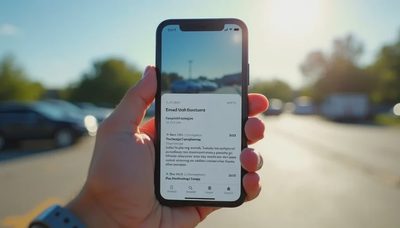
Screen resolution matters least—brightness, contrast, and color calibration define real quality. A 5-point outdoor test reveals cheap panels. Ignore pixel counts on small screens; prioritize full-screen brightness and accurate calibration over sharpness. A bad screen annoys daily, no spec sheet fixes it.

The Hidden Cost of Thin Devices explains why an ultra-thin laptop is rarely a laptop worth buying at full price. Drawing on a decade in consumer goods channel marketing and hands-on heat and repair testing, the author shows how thinness forces thermal throttling, halves battery life, and turns simple repairs into $300 invoices. Includes the heat test table, the three-year repair cost table, and a five-point checklist for how to tell if a gadget is overpriced.