

Every other Saturday I'm out the door before sunrise, thermos in one hand and Erin's printed estate sale list in the other. After eleven years in consumer packaged goods channel marketing and a decade of hunting sales across the St. Louis metro, I've learned the difference between a genuine second chance and a donation in disguise. The short answer I give every friend who asks: there are plenty of open box electronics worth buying at estate sales, but the ratio of junk to gems runs about nine to one. Here's what I pick up, what I always leave behind, and how I run the numbers before I hand over a single bill.
Lead with the conclusion so you can skip ahead: most of the real value sits in audio gear, network hardware, and solid kitchen tools — not the flashy items parked in the living room. The strongest picks reward patience and a working power outlet. Everything else gets tested hard or walked away from.
What I Actually Buy at Estate Sales
My list has narrowed to three categories I trust after years of wins and a few expensive lessons. If an item doesn't fit one of these, it has to earn its place in the truck.
Audio Gear With a Quiet Second Life
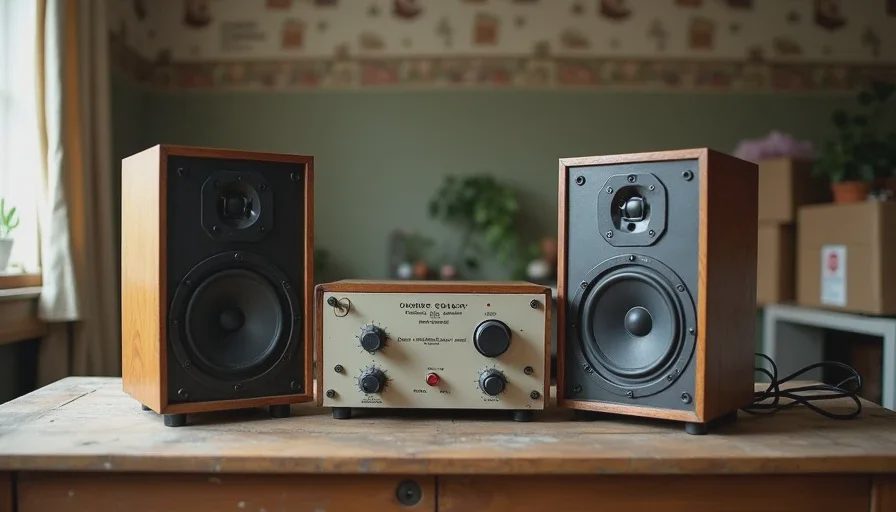
Amp-based receivers, floor speakers, and belt-drive turntables are the strongest pick in most houses I visit. They're heavy, which scares off casual buyers, and they were built to be serviced — unlike the sealed earbuds and soundbars that dominate retail shelves today. Erin rolls her eyes when I ask the estate manager for a power strip, but the extra two minutes matters.
Before you hand over cash, run through this checklist:
Bring a spare speaker or a headphone adapter and test both channels at moderate volume.
Open the back cover (with permission) and check capacitors — the tops should be flat, not bulged.
Look for a service sticker, replaced fuse, or handwritten repair notes; they signal an owner who maintained the gear.
Skip anything with cracked binding posts or a missing knob; cosmetic damage usually hides deeper neglect.
Network Hardware and Small Office Tech
Managed switches, business routers, and retired VoIP phones look intimidating but reset in seconds. A factory reset button is your friend, and most units flash a working link light the moment you plug in power. These get auctioned off in lots for pocket change because nobody at the sale understands what they are. That's your edge.
Kitchen Tools That Outlast Their Owners
Cast iron, stand mixers with the bowl intact, and 1970s blenders with metal gears round out my buy list. They're not the flashiest open box electronics worth buying in the room, but they're dependable, repairable, and easy to resell if the family doesn't want them. Nolan has already claimed a red Hamilton Beach stand mixer we picked up for twelve dollars.
What I Always Leave Behind
Here's the counterintuitive part: the biggest savings at an estate sale are the items you don't buy. I walk away from exactly three categories, no exceptions in my book. That discipline has saved me more money than any single deal I've ever landed.
Televisions
Estate sale TVs are almost always the problem child of the house — the panel that flickered at boot, the unit with a cracked HDMI port, or the set that sat in a sunny room for a decade. Even at fifty percent off, a mystery panel can't match a new entry-level TV from a retailer with a return policy and a warranty. The compromise is the story, and it's a bad one. There are consumer electronics deals worth waiting for — an estate sale TV is rarely one of them.
Laptops and Desktop Computers
Consumer laptops from estate sales usually arrive with dead batteries, unlicensed Windows, and someone else's data still on the drive. Even free, they're a liability. Every family photo and tax return on that hard drive becomes your problem the moment you power it on. I've stopped bringing that conversation home to Erin entirely.
Battery-Powered Devices
Power tools, cameras, and vacuum cleaners with proprietary batteries are the classic trap. If the battery isn't sold in stores anymore, the device is a paperweight waiting to happen. A two-year-old drill at a garage price means nothing if the replacement pack costs more than the drill. This single rule has saved me more times than any win I can name.
As for the older flagship phone to buy — the question I hear most from Nolan's friends' parents — the rule is the same. Only consider one if the seller lets you hold it in your hands, the battery is still serviceable, and the model still receives security updates. Otherwise, a refurbished unit with a written warranty is the safer play, even if it costs a little more.

How I Run the Numbers
Whenever a sale ends and Erin asks whether I scored, I give her the same answer I've used for a decade: "Worth it? Let's run the numbers." Estate sale shopping is an exercise in comparison pricing, and the numbers decide everything. Most genuinely open box electronics worth buying today — tested, warrantied, and ready to plug in — still come from retailers. Estate sales reward the units that survive the test below.
The Three-Question Test
Before I buy anything, I answer three questions in order:
Can I fully test it before paying?
Can it be repaired with parts still on the market?
Is the ask less than half the price of a refurbished equivalent with a warranty?
If any answer is no, I walk. This test filters out roughly nine of every ten items I inspect, which is exactly the hit rate I want.
When a Deal Is Really a Donation
Industry trackers size the refurbished electronics market in the tens of billions of dollars annually, and resale platforms consistently show a three-year-old flagship in clean condition trading for roughly a third to under half of its original street price. I use that as my ceiling. If an estate sale item needs repairs that push it past a certified refurbished unit, the bargain is gone — you're just paying to store someone else's problem.
Category | What I Pay | What I Skip | Why |
|---|---|---|---|
Audio gear | Tested receivers and speakers under $50 | Units with bulged caps or rattling drivers | Serviceable and repairable |
Network hardware | Resettable switches and routers under $20 | Anything with glued ports | Factory reset clears old configs |
Kitchen tools | Cast iron and stand mixers under $30 | Non-stick pans with scratched coatings | Metal parts last decades |
Televisions | Nothing | Every TV, regardless of price | No return policy, no warranty |
Laptops | Nothing | Every consumer laptop | Data liability and dead batteries |
Battery devices | Nothing unless the battery is current | Proprietary battery packs | Replacement cost kills the value |
My Closing Rule
The whole system comes down to one habit: walk in with a number and walk out without regret. If the numbers work, it's a genuine second chance. If they don't, there's always another sale next Saturday. Erin, Nolan, Tess, and I have built a lot of weekend memories on that rule — and most of the gear still works.