
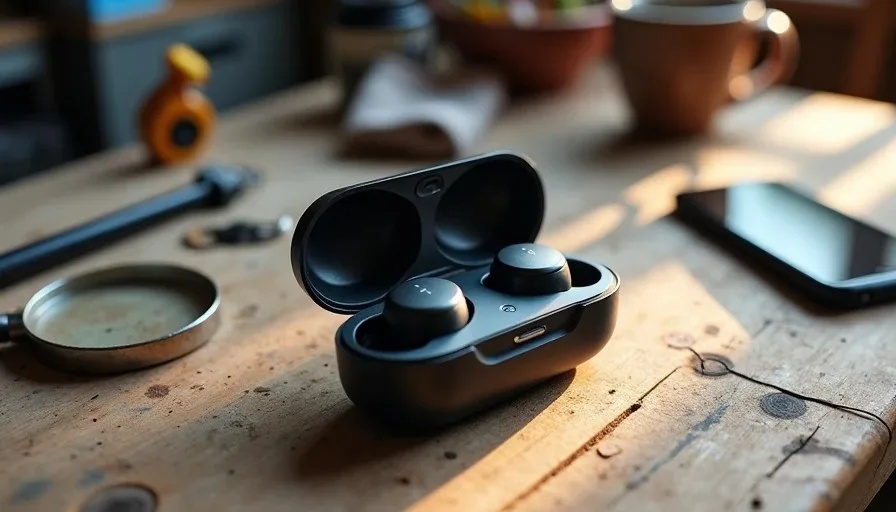
I've bought and flipped maybe thirty pairs of used wireless earbuds over the past four years — everything from budget Anker Soundcore units to higher-end Sony and Beats models. When you're hunting for the best earbuds under 200, the secondhand market is where the real value hides, but only if you know how to separate a solid deal from a dead battery disguised as a bargain. I've developed a routine that takes five minutes at a meetup and has saved me hundreds of dollars in regret. Here's exactly what I check.
The Meet-Up Inspection: What I Check Before Paying a Dime
The short version: if the seller won't let you meet in person and open the case before paying, walk away. About 70% of the used earbuds I've passed on had a problem that a five-minute in-person check would have caught. This kind of open box electronics worth buying only stays worth buying if you actually verify the condition face to face — and a seller who refuses that basic step is telling you something.
The Five-Second Health Check
I carry a charged phone, a microfiber cloth, and a bright LED keychain light to every meetup. Here's the checklist I run:
Check | What I Do | Red Flag |
|---|---|---|
Case LED | Open and close the lid slowly | No light, or flickering erratically |
Pairing | Connect to my phone via Bluetooth settings | Won't pair, or only one bud connects |
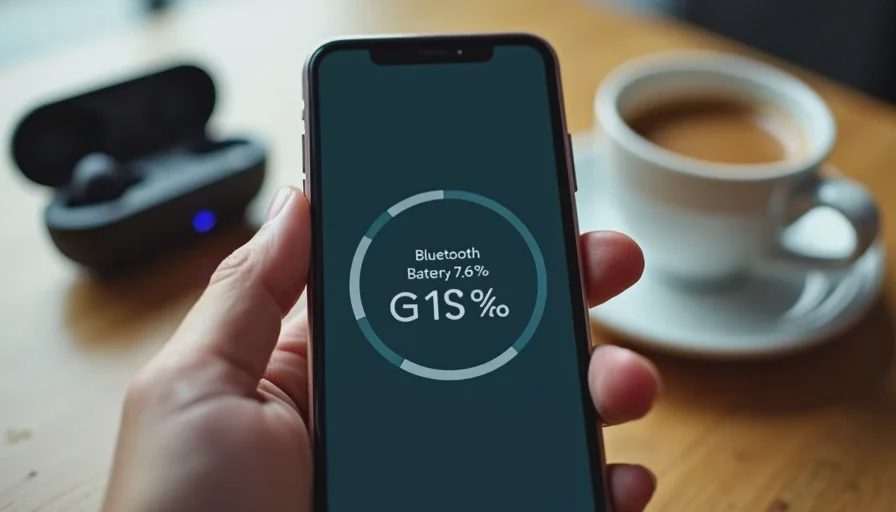
Battery | Check phone's Bluetooth battery readout | Under 60% on a "fully charged" claim |
Touch controls | Tap each bud to pause, skip, and activate ANC | Dead zone or inconsistent response |
Physical wear | Inspect charging contacts and speaker mesh with LED light | Green corrosion on contacts, torn mesh, wax buildup |
That table has saved me from buying three pairs with water damage and one pair where only the left bud actually worked. The Bluetooth battery readout on iOS and Android is an underrated diagnostic tool in this whole process — if the seller claims the buds hold a full charge but the readout shows 45%, you know either the battery is degraded or they're stretching the truth. When I'm evaluating whether a pair qualifies among the best earbuds under 200 on the used market, this readout is step one. I also wipe the charging contacts with the microfiber cloth and look at them under the LED light — corrosion and debris hide in shadows you can't see with the naked eye.
Battery Degradation: The Hidden Cost Most Sellers Won't Mention
Here's the truth: lithium-ion cells in wireless earbuds degrade faster than almost any other consumer battery, and replacement is rarely practical or cost-effective. A pair listing for 180 looks like a steal until you realize the batteries are at 60% capacity and you'll be charging them twice a day. Battery health is a key factor in whether a used pair is actually worth the asking price.
What the Numbers Actually Mean
Most manufacturers rate their earbud batteries for 300–500 full charge cycles before noticeable degradation kicks in. A pair that's two years old and used daily has likely hit that range or exceeded it. I use a simple rule of thumb from my channel marketing days tracking product lifecycle data across consumer electronics categories:
Ask the seller how long they've owned the pair — under 12 months is a solid choice, 12–18 months is worth considering, over 18 months is a gamble on battery health.
If the buds charge to 100% but drain to 80% within 30 minutes of light listening at moderate volume, the cells are degraded and you should negotiate down or walk.
A case that won't hold its own charge overnight has a failing battery too — the case is just as important as the buds, and a dead case means dead earbuds by noon.
Check if the seller has the original charging cable. Aftermarket cables work fine, but a missing original cable often correlates with a pair that wasn't well maintained.
Worth it? Let's run the numbers. If you're paying 30–40% of retail for a pair with degraded batteries, you're not saving money — you're buying a disposable product at a discount that'll frustrate you within a month. My floor is 50% of retail for a pair under 12 months old in clean condition with all accessories, and I won't go above 60% even for a pair that looks new in box. The best earbuds under 200 on the used market are the ones where the battery math actually works in your favor — not the ones with the flashiest listing photos.
Red Flags That End the Deal Immediately
Some problems aren't worth negotiating over, no matter how attractive the price looks. I've walked away from pairs priced well below market because they had deal-breaker issues I simply won't try to fix. Here's my hard-stop list:
One-bud-only pairing: If only the left or right bud connects, the other likely has a dead battery or board failure. Reset procedures sometimes fix this, but if the seller hasn't already tried and can't explain why, it's a coin flip I won't take.
Visible corrosion on charging contacts: Green or white buildup means moisture exposure. Corrosion spreads under the surface and eventually kills the connection entirely — cleaning the visible part doesn't fix what's underneath.
Case hinge looseness: A wobbly lid on the charging case often means the hinge is worn. A worn hinge eventually means the lid won't stay closed, which means the case battery drains in your pocket and the buds never charge on the go.
No original tips or wings: Replacement ear tips cost $5–15, but missing accessories signal the seller didn't take care of the gear. It's a proxy for how they treated the electronics inside.
Price too good to be true: A 25 in "excellent" condition is either stolen, broken, or the seller doesn't know the market. At this price, the compromise is the story — and you don't want to be part of that story.
I've also learned to ask one simple question that filters out a lot of problem sellers: "Why are you selling?" Upgrading to a newer model is a common and legitimate reason. "They didn't fit my ears" is fine and honest. "I just don't use them" is acceptable. Silence, hesitation, or a story that changes mid-sentence is not. Trust your gut here — I've ignored mine twice and regretted it both times.
The used earbud market rewards patience and a systematic check. Bring your phone, bring a light, ask the right questions, and don't let a low price override a red flag. The deal will still be there tomorrow if it's real.