
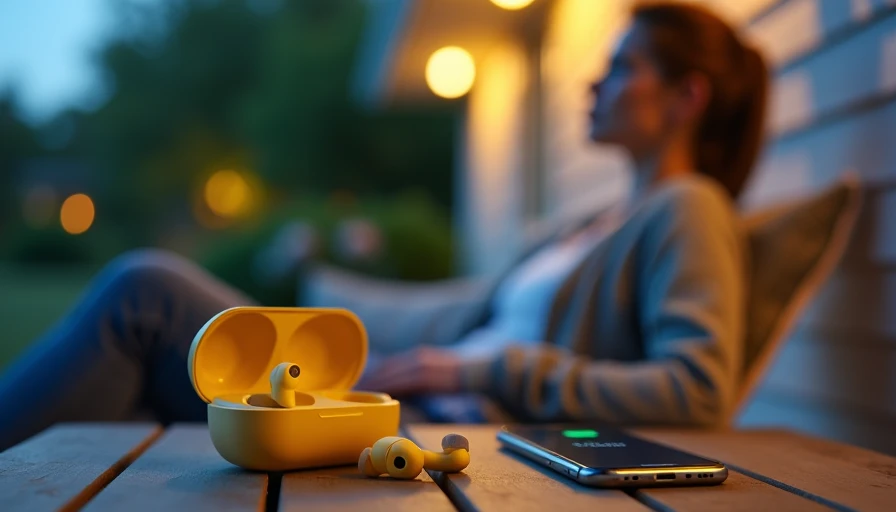
Shopping for earbuds with long battery life sounds simple until the box starts quoting numbers that do not match daily use. A brand might promise 10 hours, but that figure often assumes moderate volume, wireless features turned off, and a fresh battery. In real life, phone calls, noise cancellation, cold weather, and aging batteries all take a cut. The useful question is not which pair has the biggest number. It is which pair gives you dependable listening between charges without making you overpay for a spec you rarely use.
What the battery number really means
Most true wireless earbuds deliver roughly 5 to 12 hours from the buds, with the charging case adding two to four extra full charges. That is enough for a workday, a long flight, or several gym sessions, but the fine print matters. Active noise cancellation typically reduces playback time because the earbuds constantly process outside sound. Transparency mode uses microphones too, and voice calls can drain power faster than music or podcasts.
Look for separate estimates for noise cancellation on and off. Apple AirPods Pro models, Sony's WF-1000XM line, and Bose QuietComfort Ultra Earbuds generally provide respectable real-world endurance, but none should be judged only by the headline figure. A pair promising eight hours with noise cancellation active may be more useful than a 12-hour model that becomes uncomfortable after 45 minutes.
The case is equally important. A compact case with 24 total hours can be more practical than a bulky case claiming 40 hours, especially if you carry keys, a wallet, and a phone. USB-C charging is now the sensible baseline. Wireless charging is convenient, but it should not justify an extra $50 unless you already use a charging pad every night.
Which features drain the battery fastest?
Noise cancellation is usually the biggest power tradeoff, followed by high volume, calls, spatial audio, and multipoint Bluetooth. Spatial audio can sound useful for movies, but it is not a free feature. Head tracking and surround processing require additional work from the earbuds and phone. If your normal routine is podcasts during a commute, you may gain more from turning spatial audio off than from buying a larger case.
Fit also changes battery performance. A loose seal forces you to raise the volume, while a good seal lets you hear speech and music clearly at a lower setting. Foam tips can improve isolation, although some buyers prefer the cooler feel and easier insertion of silicone tips. Comfort is not a minor detail: earbuds left at home because they hurt deliver zero value, regardless of their advertised endurance.
For calls, microphone processing can be more important than a maximum playback claim. Jabra, Anker Soundcore, Samsung, and Google each offer models aimed at different phone ecosystems and budgets. Before buying, check whether the quoted runtime applies to music only or includes calling and noise cancellation. That distinction is where many attractive shelf labels become marketing tax.
The best value tiers right now
Under $60, you can find earbuds with long battery life from Anker Soundcore, JLab, and EarFun. These models often deliver seven to 10 hours per charge and strong case capacity. The compromises are usually less polished companion apps, average microphones, and noise cancellation that is helpful but not class-leading. For a teenager, backup pair, or commuter who does not need premium materials, this tier can be the smartest buy.
The $80 to $150 range is where the value gets more complicated. Samsung Galaxy Buds FE, Beats Studio Buds models, and selected Soundcore releases often go on sale in this band. These products may improve comfort, app support, or phone integration rather than dramatically increasing runtime. At full price, compare them against discounted previous-generation models. Retailers often keep older inventory on promotional displays after a newer release arrives, and that is not automatically a bad thing.
Above $200, Sony, Bose, Apple, and Sennheiser compete on noise cancellation, sound tuning, microphones, and ecosystem features. You are paying for a more complete experience, not simply more hours. A premium pair can be worthwhile for frequent flyers or open-office workers, but it is harder to justify if you mostly listen at home. At this price, the compromise is the story: you may be funding refinement instead of endurance.

How to compare real-world battery life
Start with your actual schedule. If you listen for two hours during a commute and another hour while exercising, a pair rated for six hours should cover a day but might require nightly charging. If you travel frequently, prioritize total case capacity, fast charging, and the ability to get an hour of playback from a short top-up. Many models provide around an hour after 10 minutes in the case, though the exact result depends on the model and settings.
Next, decide whether you need active noise cancellation every day. If not, a less expensive pair with passive isolation can provide longer runtime and fewer software complications. For runners, secure fit, sweat resistance, and physical controls often matter more than premium cancellation. For office calls, microphone quality and multipoint switching may save more frustration than an extra eight hours listed on the package.
Finally, inspect warranty coverage and battery replacement reality. True wireless batteries are small and difficult to replace economically. A two-year-old pair with reduced capacity can be perfectly functional but no longer a bargain. Buying from a retailer with a clear return policy is useful because comfort and connection stability cannot be judged from a product page.
When refurbished or older models make sense
Older premium earbuds are often the quiet bargains in this category. A previous-generation AirPods Pro, Sony WF-1000XM model, or Bose pair can deliver excellent sound and cancellation after a substantial discount. The risk is battery age, particularly with open-box stock that sat in a warehouse or was returned after months of use. A new budget model may outperform an old premium pair on endurance simply because its cells are fresh.
Refurbished is most attractive when the seller explains the inspection process and includes a meaningful warranty. Avoid listings that use vague phrases such as “like new” without stating whether the case and both earbuds were tested. Check that the charging case is included, since replacing it can cost enough to erase the discount. A $90 refurbished pair with a 12-month warranty is easier to recommend than a $55 marketplace listing with no returns.
Who should buy, wait, or skip
Buy earbuds with long battery life if you regularly forget to charge devices, spend hours away from outlets, or want one pair for work and travel. Prioritize seven or more hours from the buds, a case that reaches at least 24 total hours, and fast charging. That combination handles ordinary schedules without turning charging into another household task.
Wait for a sale if the model is newly launched or priced above $200 without a clear comfort or call-quality advantage. Earbud promotions appear frequently around major shopping holidays, back-to-school season, and new phone launches. A $30 discount can change the recommendation, especially when the discounted model has the same battery hardware as the current version.
Skip the purchase if you are choosing only because the box says 12 or 14 hours. Confirm how that number was measured, whether cancellation is enabled, and whether the shape will stay comfortable. The best earbuds are the ones you actually wear. Let’s see if it’s tech or tax: pay for reliable runtime, useful features, and a fit you can tolerate all day—not a giant number printed beside a charging case.