
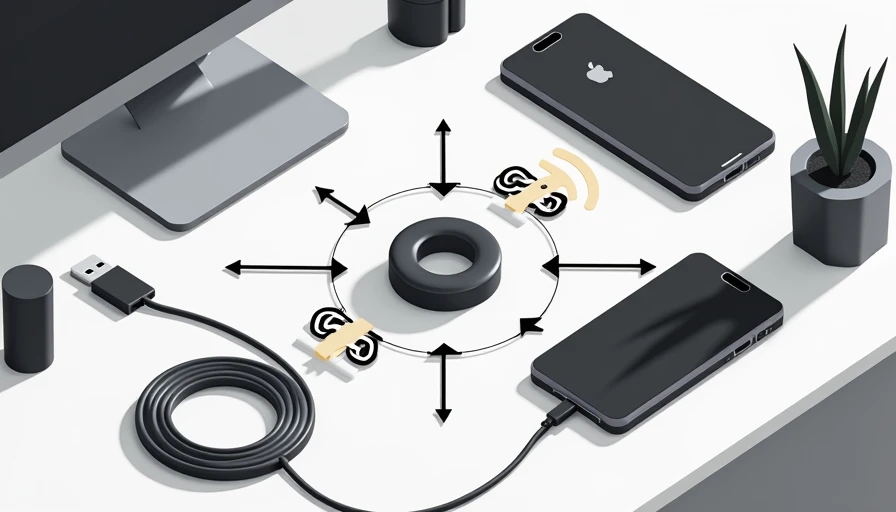
If you have seen a round charger snap onto the back of an iPhone, you have probably wondered what is magsafe charging and why it costs more than a basic wireless pad. In simple terms, MagSafe is Apple's magnetic charging and accessory system. It uses a ring of magnets to align a compatible charger with a matching coil inside the phone, improving connection reliability and enabling a broader accessory ecosystem.
That sounds simple because it is. The retail pitch gets more complicated once you compare charging speed, case compatibility, heat, and accessory prices. Let’s see if it’s tech or tax.
What is MagSafe charging, exactly?
What is magsafe charging in practical terms? It is wireless charging with magnetic alignment, originally introduced with the iPhone 12. A MagSafe charger attaches to the back of a compatible iPhone and positions its charging coil over the phone's coil. That alignment helps reduce the weak connection you can get when a phone sits slightly off-center on a conventional Qi charging pad.
The system uses the Qi wireless charging standard for the underlying power transfer, but Apple's magnetic ring adds positioning and identification features. A compatible iPhone can recognize the accessory and manage charging behavior accordingly. MagSafe can also power accessories such as wallets, battery packs, car mounts, stands, and charging docks.
The key benefit is convenience, not a dramatic change in battery chemistry. You can place the phone down without searching for a sweet spot, and the magnet keeps the charger attached if you pick up the phone briefly. It is especially useful on a nightstand, desk, or kitchen counter where a cable tends to get knocked loose.
How fast is MagSafe charging?
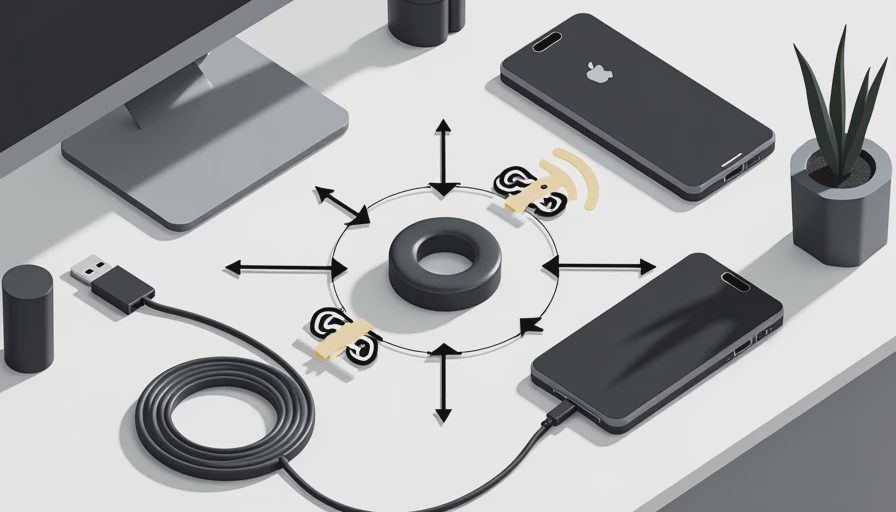
Charging speed depends on the iPhone model, charger, power adapter, temperature, and software. Apple's MagSafe chargers have supported different maximum wattages across generations, while newer iPhones and newer MagSafe or Qi2 accessories can offer higher rates than older combinations. The advertised maximum is not a guarantee that the phone will draw that power for the entire session.
In real use, wireless charging is usually slower and less efficient than plugging in a USB-C cable directly. A wired connection is still the better choice when you need the fastest top-up before leaving home. MagSafe makes more sense for steady charging during work, sleep, driving, or casual use, when speed is less important than not handling a cable.
Heat also matters. Wireless power transfer creates more heat than a direct cable connection, and heat can cause charging to slow down. A thick case, warm car interior, gaming session, or poorly ventilated charging stand can make that effect more noticeable. If your phone feels hot every evening, the premium accessory is not automatically improving the experience.
Which devices and cases work with it?
The iPhone 12 series and later iPhone generations support Apple's MagSafe system, although exact charging capabilities differ by model. Some iPhone cases include a built-in magnetic ring, while ordinary thin cases may allow basic wireless charging but weaken the magnetic attachment. Thick, metal, wallet-style, or poorly designed cases can interfere with both alignment and charging.
When asking what is magsafe charging, separate official compatibility from marketing language. A case labeled “magnetic” is not always certified for the same magnetic strength or charging performance as an Apple MagSafe case. Brands such as OtterBox, Spigen, ESR, Anker, and Belkin sell cases and accessories designed for the system, but product quality varies within each lineup.
The safest shopping checklist is straightforward: confirm the case names MagSafe compatibility, check the listed iPhone generation, inspect the magnet strength reviews, and verify whether the accessory blocks the camera or buttons. A $20 case that slides off a $60 car mount is not a bargain.
MagSafe versus Qi2 and ordinary wireless charging
Ordinary Qi charging pads transfer power without magnetic alignment. They are often cheaper and can work with many phones, earbuds, and accessories. If your phone stays in one place overnight, a $15 to $30 Qi pad may provide almost all the usefulness you need.
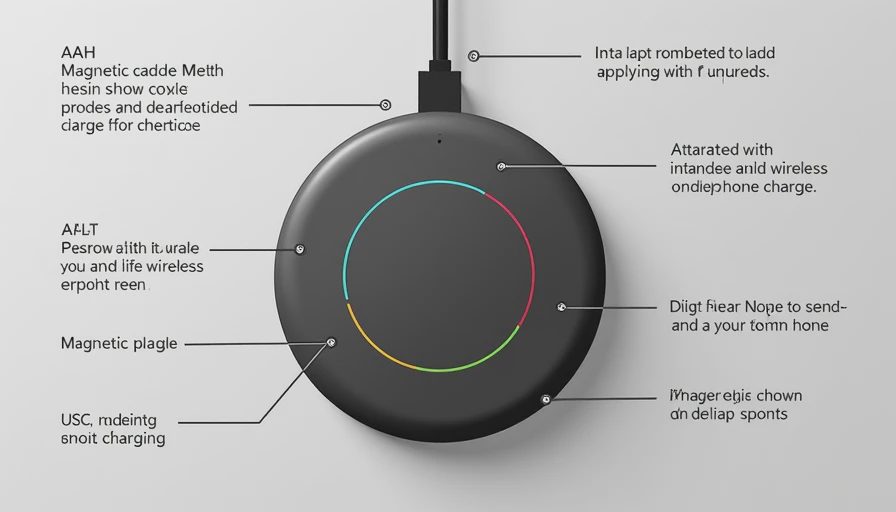
Qi2 brings magnetic alignment based on the same general idea, and it is designed to create more consistent positioning across compatible devices and accessories. That gives shoppers more choice beyond Apple's first-party ecosystem. However, compatibility still depends on the exact phone, case, charger, and power adapter, so the Qi2 logo should not be treated as a universal guarantee.
MagSafe remains attractive because Apple's accessories are widely available and the magnetic attachment is familiar. Belkin and Anker often provide alternatives at lower prices, particularly during holiday promotions. Worth it? Let’s run the numbers: if a $39 to $49 charger replaces a cable you constantly misplace, the convenience can be reasonable. If it sits unused in a drawer, the logo did the selling.
What does a complete MagSafe setup cost?
A basic Apple-style setup can include a charger, a USB-C power adapter, a compatible case, and perhaps a stand. Depending on the brands and promotions, that can quickly reach $80 to $180. Apple often sells the charging puck separately, which means the advertised accessory price may not represent the working setup cost.
Third-party options can lower the total. An Anker or Belkin charger may cost less than Apple's version, while a two-in-one or three-in-one stand can charge an iPhone, Apple Watch, and AirPods together. Those multi-device products are convenient, but they can have lower output, take more desk space, and cost $80 to $150 before a sale.
The retail trick is bundling. A stand may look heavily discounted from a high list price, but its everyday street price could already be lower at competing stores. Compare the actual checkout cost, adapter requirements, return policy, and warranty rather than trusting a large crossed-out number.
Should you buy MagSafe charging?
Buy into the system if you use a compatible iPhone, charge at a desk or bedside table, and value dropping the phone onto a precise magnetic spot. It is also useful for drivers who want a secure magnetic mount without adding a separate clamp every time they enter the car. A good stand can reduce cable clutter and keep the screen visible for navigation.
Skip the premium if you need the fastest charging, already own reliable wired chargers, or use a phone outside the compatible iPhone range. Android users should look at Qi2 support and case compatibility instead of assuming any magnetic puck is equivalent. A cheap wireless pad can be the better value for an overnight charger.
My practical answer to what is magsafe charging is that it is a convenience platform, not a must-have battery upgrade. The magnets solve a real annoyance, but the value depends on how often you use that convenience. Buy the accessory that fits your routine, not the one with the most polished packaging.
Common questions before buying
What is magsafe charging compared with plugging in? It is less efficient and generally slower than a wired USB-C connection, but it is easier to use repeatedly throughout the day.
Does a MagSafe charger need a case? No. It can attach directly to a compatible iPhone. A case with a proper magnetic ring is useful for maintaining attachment while protecting the phone.
Can an old Qi charger still work? Often, yes. A compatible iPhone can charge on many Qi pads, but the pad will not provide MagSafe's magnetic hold or accessory features.
Is Apple's charger always the best buy? Not automatically. Apple offers straightforward compatibility, while Belkin, Anker, and other established accessory makers frequently compete on price, stands, and bundle design. Check output, heat handling, warranty, and sale timing before paying the premium.