
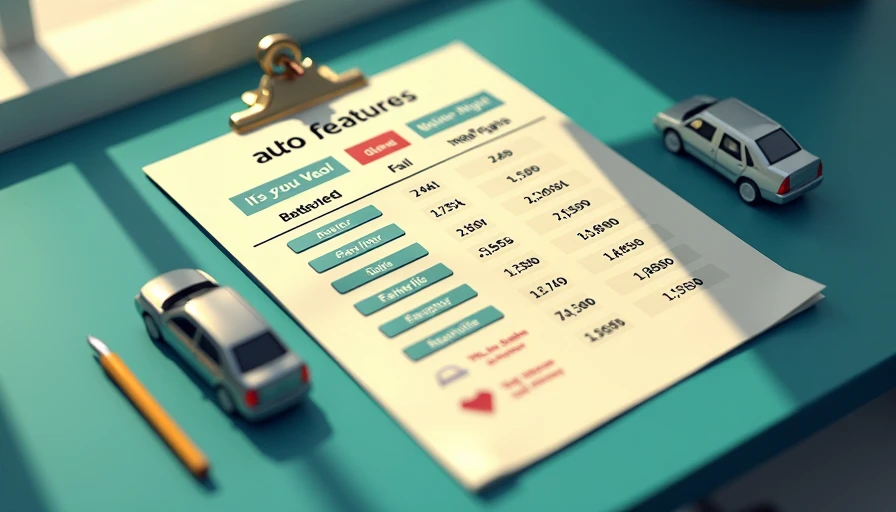
If you have ever compared a $799 phone, a $999 phone, and a $1,199 phone, you have probably wondered why the middle option feels so safe. It has more storage than the base model, but it avoids the top model's uncomfortable price. That is exactly why brands build these tiers so carefully. The middle model is often where the marketing does its best work and the value does its least. Understanding why the middle model is the worst deal can keep you from paying for upgrades you will barely notice.
The middle tier is designed to feel reasonable
Retail pricing works partly through contrast. A $999 device can look sensible when the flagship costs $1,299, even if the base model at $799 handles the same daily tasks. The expensive version acts as an anchor, while the middle model becomes the compromise buyers are nudged toward.
That compromise is not automatically bad. A mid-tier phone can have a better camera, brighter display, or larger storage allotment than the entry model. The issue is the price gap. If the middle model is $200 more than the base version but only adds storage and a slightly better camera sensor, the upgrade might not change your experience. If the top model is only $150 more and adds a better processor, longer battery life, and a superior display, the middle option becomes especially awkward.
This is why the middle model is the worst deal in many lineups: it absorbs the price increase without delivering the complete feature set. You pay the marketing tax for being above entry level, then still live with the compromises that make the premium model more appealing.
Compare the gaps, not the labels
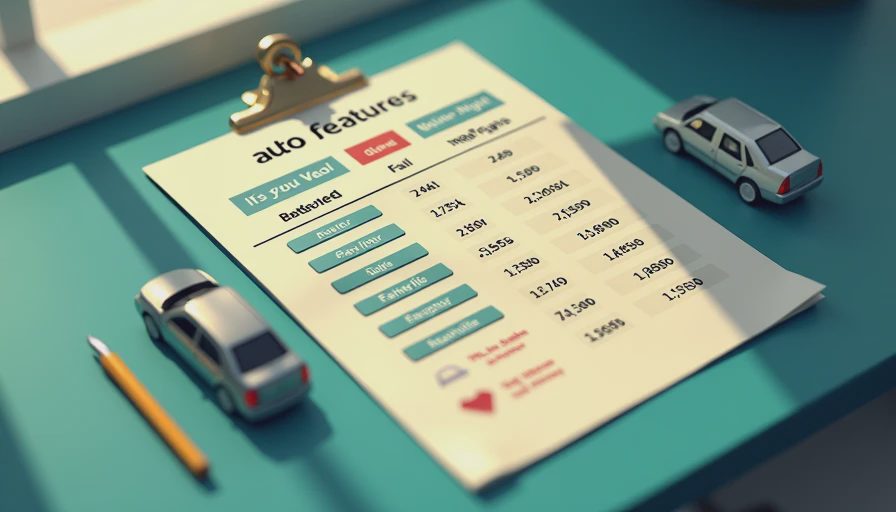
The most useful shopping habit is to ignore words such as Plus, Pro, Max, Ultra, and Premium until you compare what changes between models. Open a retailer page or manufacturer specification sheet and write down four numbers: storage, memory, battery capacity or rated battery claim, and current price. Then note the practical hardware differences, including screen refresh rate, camera stabilization, charging speed, ports, and processor generation.
Suppose a laptop lineup includes a $699 base model with 8GB of memory, a $949 middle model with 8GB and a larger solid-state drive, and a $1,099 premium model with 16GB, a stronger processor, and a better display. The $949 machine may have more storage, but its memory limitation could become the daily bottleneck. Spending $150 more for the premium model might buy a meaningful lifespan increase, while spending $250 above the base model mostly buys empty drive space.
The same pattern appears with tablets and wireless earbuds. A middle tablet may add cellular connectivity you will never activate. Mid-priced earbuds may include noise cancellation, but use weaker microphones or an older Bluetooth implementation. A feature is not a value until it solves a problem you actually have.
Why storage upgrades can be a pricing trap
Storage is one of the easiest upgrades for a brand to monetize because it is simple to explain. “Double the storage” sounds substantial, and sometimes it is. But storage pricing can obscure more important differences. A phone with 256GB instead of 128GB does not necessarily have a faster processor, better cooling, brighter screen, or longer software support.
Before paying for capacity, estimate your actual use. If your current phone has 70GB free after two years, the base capacity probably works. If you record long 4K videos, download games, or keep a large offline music library, extra storage can be worthwhile. The key is choosing it because of your habits, not because the middle tier makes the base model feel stingy.
Brands also use storage to create strange gaps. An entry device may be discounted to $599, while the middle version lists at $799 and the premium version at $899. In that case, why the middle model is the worst deal becomes obvious: it is close enough to the premium product to weaken its own case, but expensive enough to make the entry model look artificially limited.
Where the premium model can be the smarter buy
Calling the middle model a bad deal does not mean the most expensive model always wins. Premium upgrades often include cosmetic materials, extra cameras, higher benchmark scores, or a screen specification that sounds impressive but has little effect on your routine. A $1,299 phone is not automatically wiser than a $799 phone simply because it has a titanium frame.
The premium option earns its price when it combines several useful improvements. A laptop with a stronger chip, 16GB of memory, a brighter display, and better battery efficiency can remain comfortable for years longer than a cut-down middle model. A smartwatch with better GPS, a more durable case, and longer battery life may justify the increase for someone who runs regularly. A tablet with a useful keyboard ecosystem can make sense for travel or school, even if the middle model looks cheaper on the shelf.
Run the numbers by dividing the price difference across your expected ownership period. A $240 gap over three years is roughly $6.67 per month. That can be reasonable when it buys fewer slowdowns and fewer accessories. It is not reasonable when it buys a color, a logo treatment, or storage you will never use.

When the base model is the better purchase
The base model is often the cleanest value when the core platform is shared. Many phones use the same software, processor family, camera app, and update policy across the lineup. If the base version has enough storage and a screen that meets your needs, the extra money may produce diminishing returns.
This is especially true for buyers who replace devices on a regular schedule. Someone who trades in a phone every two years may not benefit from paying for premium construction designed to survive five years. A family buying three tablets may gain more from choosing the base model and adding cases, chargers, or accidental-damage coverage than from moving everyone to the middle tier.
Look for the first meaningful discount, too. Retailers commonly reduce older base models during holiday sales, back-to-school promotions, and the weeks surrounding a new product launch. A $699 phone that falls to $549 can be a stronger buy than a freshly launched middle model at $899. The shelf is showing different prices, but you are really comparing timing as much as hardware.
A practical checklist before you click Buy
Start with the task you need the device to perform. Editing video, running demanding games, managing large spreadsheets, and using a laptop for several years require more headroom than messaging, streaming, and web browsing. Match the processor, memory, display, and battery to that task first.
Next, check the real price after discounts, trade-in credits, required accessories, and subscriptions. A phone that needs a $50 case and $30 charger is not truly a $699 purchase. A tablet that advertises a low price but needs a $299 keyboard for your intended use belongs in a different budget category.
Finally, compare the middle model against both neighbors. Ask what you gain from the base model and what you still lack compared with the premium one. If the answer is “more storage, a cosmetic change, and a feature I will rarely use,” skip it. If the answer is “enough memory, better battery life, and a display I will stare at every day,” the upgrade has a case.
The reason why the middle model is the worst deal is not that every middle model is poorly made. It is that this tier is often engineered to make buyers feel rational while steering them toward a narrow price band. Let’s see if it’s tech or tax. Buy the base model when its compromises are harmless, step up to the premium model when the improvements affect daily use, and treat the middle option as guilty until the price gap proves otherwise.