

Every November, my group chat fills with flash-sale screenshots and "should I wait?" messages. After more than a decade in consumer packaged goods channel marketing, I read promo calendars the way other people read weather maps. Here's the conclusion before the story: most consumer electronics deals worth waiting for do not show up on Black Friday. They show up a few weeks later, when the first real price cut lines up with a stackable rebate, a trade-in bump, and a cashback portal — in the right order. I've watched the phone launch price vs sale price gap shrink by double digits inside that window, and I've watched shoppers overpay by 15 to 20 percent because they bought on hype instead of on a calendar. This piece walks through the numbers I run before I tell anyone — including Erin, my wife, who still reminds me about the tablet I insisted we buy in November instead of February.
The Promo Calendar Runs on a Rhythm, Not on Luck
Retailers don't drop prices because they're feeling generous. They drop prices because the channel calendar says it's time. In my years managing promotions for consumer goods, every discount had a slot, a reason, and a budget behind it. That predictability is exactly why you can plan a gadget purchase the way you plan a grocery run on coupon day.
The Launch Price Trap
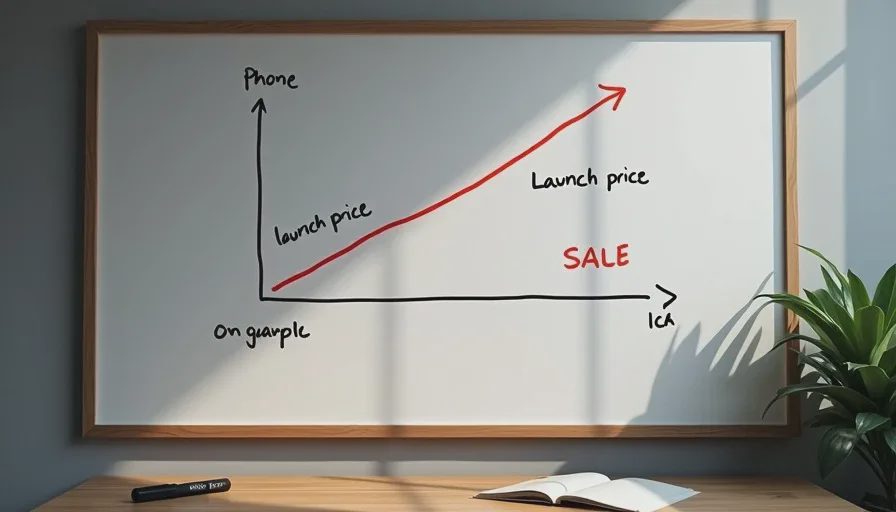
The deal most likely to make you overpay is launch day. Not because the product is bad, but because the price is set for the crowd that has to have it immediately. The phone launch price vs sale price spread starts small and opens fast once the next model gets announced. I've watched flagship phones lose roughly 20 percent of their value within ten weeks — before a single software update shipped.
Where the Gap Comes From
That gap is a mix of three forces: manufacturer price cuts meant to clear channel inventory, retailer markdowns tied to holiday promo calendars, and rebate money that only appears in specific windows. When all three line up, that's when consumer electronics deals worth waiting for actually exist on a shelf near you.
Table 1: What a typical phone launch price vs sale price timeline looks like
Time since launch | Typical price | What's driving it |
|---|---|---|
Week 0 (launch day) | Full list price | Early adopters and launch allocations |
Weeks 2–4 | Full price, trade-in offers appear | Carrier promos, first rebate forms |
Weeks 6–10 | 8–15% off, stackable rebate window | First channel price cut + holiday calendar |
Weeks 12+ | 20%+ off, open box inventory appears | Next model announced, clearance mode |
What I Tell My Family to Wait For
Nolan, my 11-year-old, asked why Tess's tablet was bought in February. Because February is when the holiday rush ends and the stacks actually stack. Wait for three signals: a real price cut (check the 90-day history, not the "was" sticker), a rebate you can verify in writing, and a trade-in value that hasn't already collapsed. Miss one of the three and the deal usually isn't worth the wait.
Stacking the Holiday Promo Calendar Without Getting Burned
Conclusion first: stacking works, but only when you layer discounts in the right order and can prove each layer before you tap pay. I've built stacks for years — in retail channels and from my own kitchen table — and the failed stacks always fail for the same four reasons. None of them are exotic.
The Stacking Order That Works
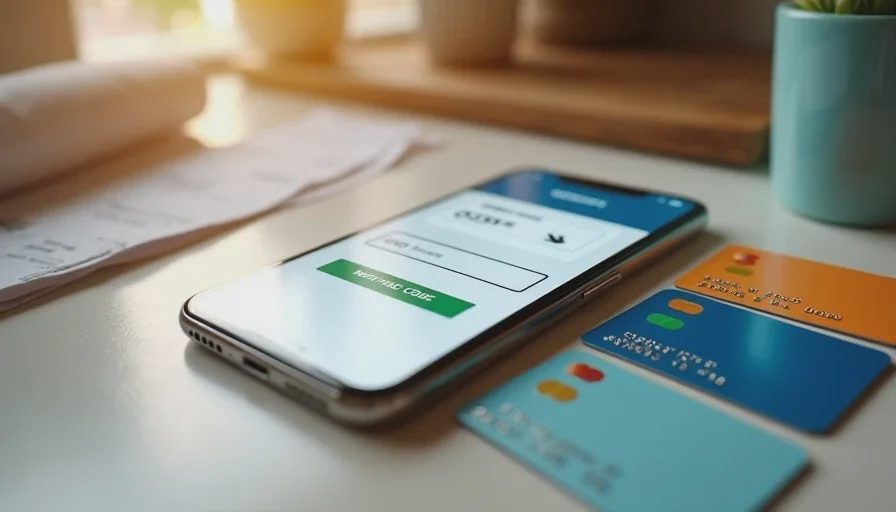
Order matters more than the discount size. The correct sequence is: sale price → coupon code → manufacturer rebate → cashback portal → credit card offer. Each layer should apply to the already-discounted total, and each layer needs its own confirmation number. I screenshot every step. That habit has saved me about $340 over the last two holiday seasons, by my rough count.
The Fine Print That Ends Discounts
Four things kill a stack every time:
The coupon code "excludes" the exact category you're buying.
The rebate requires a mailed paper form you'll never actually send.
The cashback portal tracks the wrong session, and your purchase earns $0.
The trade-in value drops between the day you're quoted and the day the box arrives.
Table 2: A five-layer stacking checklist
Layer | What to verify | Red flag |
|---|---|---|
Sale price | Check the 90-day price history | The "was" price is a fantasy number |
Coupon code | Confirm it applies to the exact SKU | Category exclusions hidden in the fine print |
Manufacturer rebate | Screenshot terms, deadline, and required form | Mailed form only, or "up to" language |
Cashback portal | Confirm the merchant is listed and the rate | Rate changed mid-week without notice |
Credit card offer | Confirm it's a statement credit, not points | Vague "bonus" without a number |
I got burned on a cashback portal once — the page showed 10 percent back, the purchase tracked at zero, and the appeal took three months. The rate was right in front of me, and I still had to fight for it. At this price, the compromise is the story.
Three Deals I'd Actually Hold Out For This Season
These aren't predictions, they're patterns. Buy only when the stack adds up on paper, on a calendar date you can defend. The way to know is the same every time: check the history, read the fine print out loud, and refuse to be impressed by a price in costume.
Phones right before the next launch. The phone launch price vs sale price gap grows sharply in the final month before a successor ships. If you don't need the newest camera sensor, the outgoing model is the rational buy.
Tablets six to eight weeks after a holiday. Returns flood back, open box electronics worth buying show up in the clearance aisle, and the stack windows reopen quietly.
Accessories you'd buy anyway. Cables, chargers, and cases carry thin margins, so retailers over-discount them to pull you in. A 30 percent off accessory beats a 5 percent off flagship almost every time.
The One Question That Decides Everything
Before I buy, I ask one question: is this deal real, or is it a price in costume? Figuring out how to tell if a gadget is overpriced comes down to three checks — the price history, the rebate terms read out loud, and a calendar reminder to verify the cashback portal three weeks after purchase. If the math doesn't close on paper, the deal isn't worth my time or yours. Worth it? Let's run the numbers.