
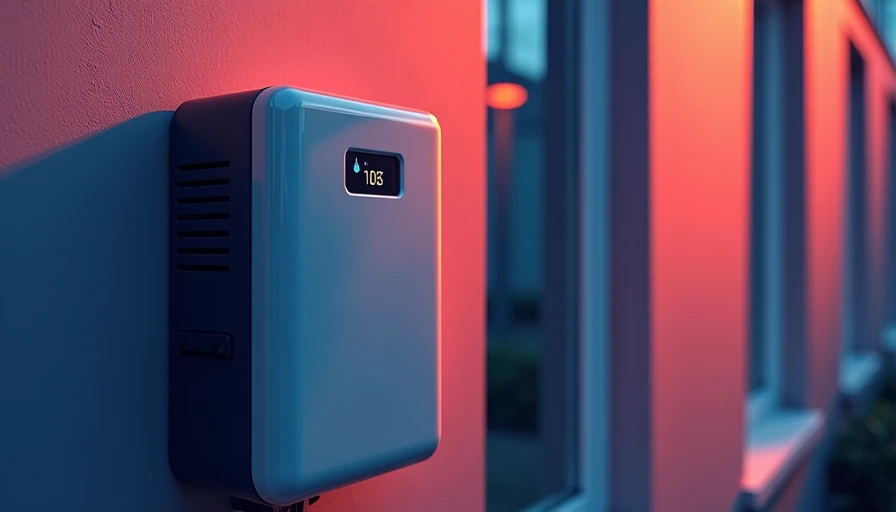
Anker home battery systems are aimed at homeowners who want backup power without committing to a whole-house generator. The company’s SOLIX lineup brings Anker’s familiar consumer-electronics instincts into a much larger product category: modular batteries, solar input, app controls, and expandable capacity. That sounds attractive, but home energy storage is not a giant phone power bank. Installation, electrical compatibility, warranty coverage, and local labor can matter more than the logo on the front.
Let’s see if it’s tech or tax. The short version is that an Anker home battery can make sense for a homeowner who values quiet backup power, modular expansion, and portable-energy flexibility. It is less compelling for someone who only wants the cheapest emergency battery or expects to run an entire house indefinitely during a long outage.
What an Anker home battery actually does
A home battery stores electricity for later use. With solar panels, it can collect excess daytime production and make that energy available in the evening. Without solar, some systems can charge from the grid during selected hours, depending on utility rules and the installed equipment. During an outage, the battery can power connected circuits or, with the right transfer equipment, more of the home.
Anker’s SOLIX home-storage products are modular rather than one fixed box for every household. That matters because a small system might cover a refrigerator, Wi-Fi router, lights, and medical equipment, while a larger setup could support selected heating, cooling, kitchen, and laundry loads. The Anker SOLIX F3800, for example, is positioned as a high-capacity portable power station that can be combined with expansion batteries and home integration hardware. Exact capability depends on configuration, wiring, and installer setup.
The practical question is not whether a battery has a large number of watt-hours. It is whether its continuous output matches the appliances you need. A refrigerator has a modest average draw but a startup surge. A sump pump, well pump, air conditioner, or electric range can demand much more. A system that looks generous on paper can feel undersized when several motors start at once.
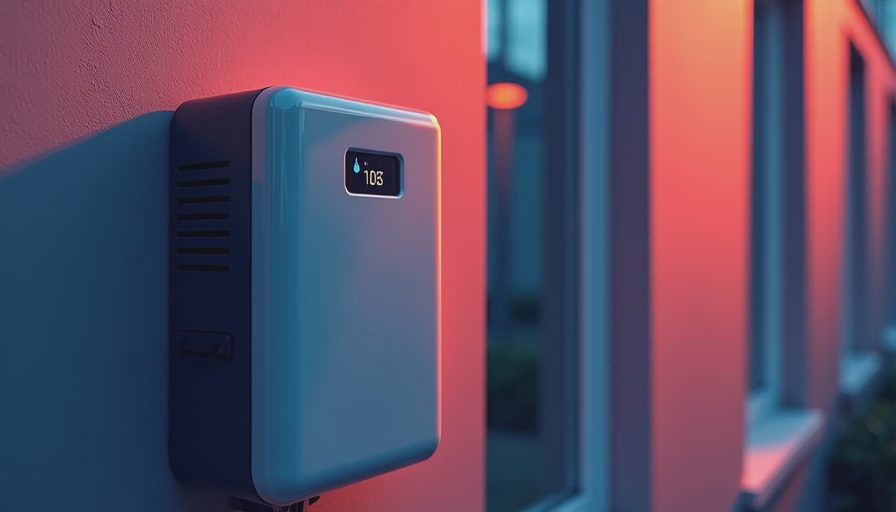
Capacity, output, and the numbers that matter
When comparing an Anker home battery, separate three specifications: usable capacity, continuous power output, and surge output. Capacity, usually measured in kilowatt-hours, tells you how much energy is stored. Output, measured in kilowatts, tells you how much equipment can run at the same time. A battery with plenty of capacity but limited output might keep a refrigerator running for a long time yet struggle with a large pump.
For a simple example, imagine a home using an average of 500 watts for essential loads during an outage. A battery with roughly 5 kilowatt-hours of usable energy could theoretically cover about 10 hours before conversion losses and reserve settings. Add a furnace blower, gaming desktop, microwave, or frequent coffee-maker use, and the runtime drops. Add central air conditioning and the calculation changes dramatically.
This is where modular design can be useful. A buyer can start with essential-load backup and add expansion batteries later. That approach can be easier on a household budget than buying maximum capacity immediately. However, expansion modules, smart panels, cables, and professional labor all add cost. The retail price of the base unit is not the same as the installed price of an Anker home battery.
Solar integration and everyday savings
Battery backup and energy savings are related but not identical goals. If your utility charges different rates during the day and evening, a battery can potentially store lower-cost electricity and discharge during expensive periods. Solar owners can use stored daytime production after sunset instead of drawing as much from the grid. The value depends heavily on your utility’s rate structure, net-metering policy, and solar output.
A battery will not automatically make a weak solar setup profitable. Roof shade, winter production, panel size, and household consumption still control the economics. If your electricity rate is flat and outages are rare, the financial payback may be long. In that situation, the strongest reason to buy is resilience rather than monthly bill reduction.
Anker’s app-based monitoring can be useful for seeing charge levels, active loads, and solar input. Still, software is not the feature to overvalue. A clean dashboard cannot compensate for an inconvenient installation location, insufficient output, or an electrician who did not configure backup circuits correctly.
Installation is where the price changes
A portable battery can be purchased and used with minimal setup, but whole-home or partial-home backup is a different project. You may need a transfer switch, smart panel, inlet, additional wiring, permits, and an electrician familiar with battery storage. Solar integration can add more design work, especially if the existing inverter and the new battery system do not communicate cleanly.
Installation costs vary by home, region, panel configuration, and electrical service. A straightforward setup might add hundreds of dollars, while a more involved whole-home project can add several thousand dollars. Ask for an itemized quote that separates the battery, expansion modules, transfer equipment, labor, permits, and any required service-panel upgrades.
Also ask what happens when the battery reaches its reserve level. Some installations preserve a percentage for outages, while others prioritize daily energy savings. That setting affects how much capacity is available when the grid actually fails. A sales quote that ignores these details is not finished pricing.

Anker versus a generator or another battery
A gas generator usually wins on extended outages if fuel is available. It can keep running as long as you can safely refuel it, but it produces noise, exhaust, and maintenance obligations. A battery is silent at the point of use and can switch to backup power quickly when installed with compatible equipment. It does not create energy, though; once depleted, it needs solar or grid power to recharge.
Tesla Powerwall, Enphase, EcoFlow, and Bluetti are common alternatives buyers may encounter. Tesla has strong name recognition in permanently installed storage. Enphase is especially relevant to homeowners already using Enphase solar equipment. EcoFlow and Bluetti offer a broad range of portable and modular products, sometimes with aggressive retail promotions. Anker’s advantage is its established charging and portable-power background, plus a modular approach that can bridge camping, home backup, and solar use.
That does not make every Anker home battery configuration the best deal. Compare usable capacity, output, warranty terms, battery expansion prices, app limitations, and installer support rather than comparing brand names alone. A cheaper base unit can become expensive after the required accessories are added.
Who should buy an Anker home battery?
This system makes the most sense for a homeowner who experiences frequent outages, owns solar panels, needs quiet backup, or wants to protect essentials without running a fuel-powered generator. It can also suit someone who wants portable power for a workshop, RV, outdoor event, or emergency kit and is willing to pay for a larger platform.
It is harder to justify for apartment residents, renters without installation permission, households with rare outages, or buyers hoping to power electric heating and central air through a multi-day failure. Those shoppers may get more value from a smaller portable power station, a properly sized generator, or simple surge protection and emergency lighting.
Before buying an Anker home battery, list your essential circuits, estimate their wattage, confirm whether your panel can support the installation, and get at least two local quotes. Check the warranty and battery-throughput language, not just the headline capacity. If the quote still looks reasonable after labor and integration hardware, the product can be a practical resilience purchase. If the economics only work because the installation costs were left out, that is marketing tax, not savings.
Final buying advice
The Anker home battery is neither a miracle power bill solution nor a disposable oversized charger. It is a flexible storage platform whose value depends on the entire system around it. The hardware can be appealing, particularly for buyers who want modular capacity and a quieter alternative to a generator. The compromise is that installation complexity can erase the apparent retail bargain.
Worth it? Let’s run the numbers using your real loads, outage pattern, utility rates, and complete installed quote. Buy when the battery solves a clear problem and the expansion path is priced fairly. Wait when you are still guessing which circuits matter. Skip it when a smaller backup device or conventional generator would handle your needs for substantially less.