

I spent more than a decade building promotional calendars for consumer packaged goods, and the same calendar math that tells you when a grocery deal is real applies to consumer electronics deals worth waiting for. My wife Erin still rolls her eyes at the spreadsheet I keep for Nolan's tablet requests, but that spreadsheet is why we rarely overpay. This piece is the framework behind that spreadsheet: three doors (buy now, wait for Black Friday, wait for refurb), one simple test for which door you're actually standing in front of, and the specific traps I've hit in both retail and open-box channels. Conclusion first: if you can wait 8–12 weeks, Black Friday is usually the stronger cash deal; if you can't wait, buy now and skip the "wait" fantasy; and refurb is the value play, but only in categories where the failure points are cheap to fix. Let's see if it's tech or tax.
Which Door You Pick Depends on Your Replacement Date
The whole decision collapses into one question: how soon does the current device fail you? Not how much you want the new one. Not how good the review was. The date your old device stops being acceptable decides everything, and everything else is noise. If the answer is "I can push it to December," you have optionality and should use it. If the answer is "this screen died yesterday," you do not have optionality, and pretending you do is how people pay full launch price while a 30% discount sits two months away.
The Three-Door Decision
Here is the table I run in my head, updated with the numbers I've tracked across the last three holiday cycles:
Door | When to use it | Typical saving vs. launch | Main risk |
|---|---|---|---|
Buy now | Device is dead, or the trade-in is expiring | 0–5% (early bundles only) | Paying launch price for a product that drops 20–30% in 90 days |
Wait for Black Friday | Old device survives 8–12 more weeks | 15–30% off + freebies | Stockouts on hot SKUs; "doorbuster" tiers quietly sold out |
Wait for refurb / open-box | You can inspect a return and tolerate minor wear | 30–50% vs. launch | Random-condition units; short warranty windows |
My honest read after running this cycle for years: the Black Friday door wins on cash almost every time, the refurb door wins on value per dollar, and the buy-now door is a lie unless a genuine emergency or a once-a-year trade-in is pushing you through it.
What Most People Get Wrong About Waiting
Three mistakes I see constantly in the deals community, all of which I have made myself:
Waiting without a target. "I'll wait for a deal" with no price target means you'll grab whatever shows up first. Set a number before Black Friday; if the promo doesn't hit it, walk.
Comparing to launch price. Retailers love showing "was $1,199." That number is theater. What matters is street price over the last 60 days, which a price-tracker graph shows instantly.
Ignoring the trade-in clock. Carrier and manufacturer trade-in offers have hard expiration dates. Sometimes buy-now with a fat trade-in beats Black Friday with no trade-in. Run both numbers.

Where the Numbers Actually Land
Here's the part the reviews don't tell you: flagship launch prices decay on a clock, and the clock is more predictable than most people think. Conclusion first — the single most useful number in consumer electronics is the 90-day street-price line. Across the phones, tablets, and earbuds I've tracked, the flagship price typically falls 20–30% within three months of launch, then flattens until the next model drops. If a product isn't selling, that number gets steeper. If it's selling well, the discount arrives anyway — just later and deeper.
Phone Launch Price vs. Sale Price: The 90-Day Rule
My rule of thumb: the newer the product, the more you lose by buying on day one. A mid-cycle release with a modest chip upgrade historically holds value better than a "pro" flagship, because the pro tier has margin room to burn on promotions. What I actually track for any phone before I commit:
Street price today (aggregator, not the brand store)
Street price 90 days after launch (price-tracker history)
Trade-in value today vs. in December (these can move 30%+)
Resale value at the next launch (how fast does it fall off a cliff)
Run those four numbers side by side and "phone launch price vs sale price" stops being a mystery and becomes a simple gap to measure. If the gap between today and the 90-day mark is under 10%, buy now without guilt. If it's 20% or more and your old device can survive, waiting is the mathematically obvious move.
Refurb and Open-Box: The Hidden Third Tier
Refurb gets a bad name because people buy blind. I've had three winners and one loser, and the loser was predictable in hindsight. What separates a good refurb deal from a trap:
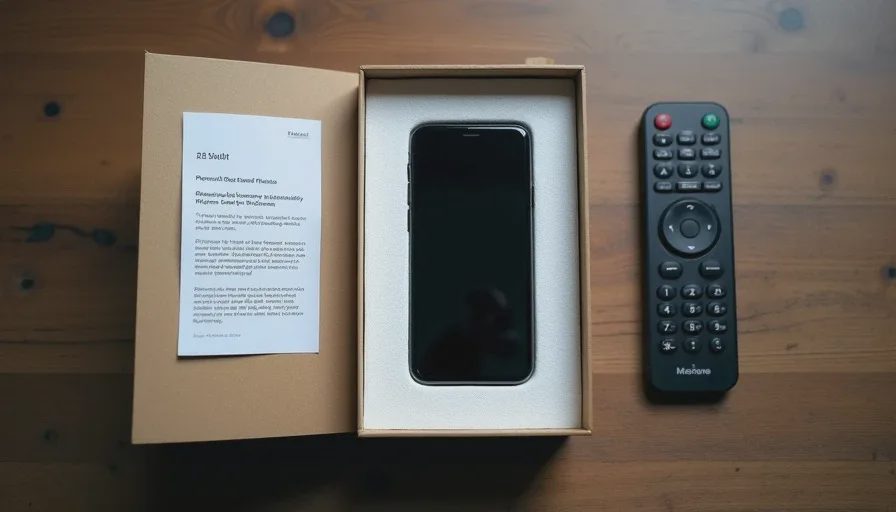
Check the warranty, not the label. A 12-month manufacturer warranty on a refurb is a real product. A 30-day store warranty is a rental.
Know the failure points. Batteries wear, screens get replaced with generic panels, cases hide dents. For a phone, ask about the battery health percentage. For a laptop, ask what got replaced and whether the SSD is the original.
Open-box is a spectrum. "Open-box excellent" is often a return that was never used. "Open-box fair" is a gamble. Read the grading scale, not the adjective.
Four Rules I Use Before I Click Buy
Everything above collapses into four rules I actually apply, and I'd rather have these four than a hundred "deal alerts":
Rule of the replacement date. Set the calendar date your current device must be replaced by. The entire strategy hangs off this one date.
Rule of the 90-day gap. Never buy a new flagship within 30 days of launch unless the gap between today's street price and the 90-day price is under 10%.
Rule of the warranty. No warranty, no deal. The discount is only real if someone stands behind the unit for at least 12 months.
Rule of the run-the-numbers. For any purchase over 50, buy now and stop thinking about it.
One more note on household dynamics, since Erin and I have lived this: a deal that stresses out your partner isn't a deal. If waiting means three more months of a cracked screen on a family device, the honest answer is usually to buy a tier down today — a previous-generation model at a discount — rather than pretend the premium flagship will be cheaper "soon." At this price, the compromise is the story.
And if you catch yourself staring at a countdown timer, remember the oldest rule in my channel marketing playbook: the countdown resets. It always resets. Wait for your number, not their urgency.